Knowing Diarrhea: Reasons, Indicators & Alleviation
Diarrhea, a common condition, involves loose digestive releases. Several elements can initiate this distressing issue, including from minor bacterial illnesses and nutritional reactions to serious clinical ailments. Common indications comprise greater frequency of bowel movements, uncomfortable belly discomfort, and possibly feeling sick. Fortunately, many instances are self-limiting and can be treated at house with rehydration, a gentle diet, and over-the-counter drugs. Nevertheless, one should important to obtain medical advice if signs are severe, continue for beyond a few days, or are accompanied by high temperature, color in the stool, or pronounced dehydration.
Decoding ICD-10 Classifications for Loose Stools: A Thorough Guide
Dealing with diarrhea can be challenging, and accurately documenting it for medical billing and tracking requires a solid understanding of ICD-10 classification. This guide will examine the various ICD-10 designations associated with frequent defecation, covering both acute and chronic illnesses. From infectious reasons like gastroenteritis, coded under ranges like A09, to inflammatory bowel disorders such as Crohn's and ulcerative colitis, which utilize codes in K50-K52, we'll offer a helpful explanation. Moreover, we’ll consider particular types of bowel incontinence such as drug-induced diarrhea (various codes under E860-E861) and post-operative diarrhea (K90). Proper allocation of the correct ICD-10 classification is crucial for reimbursement and reliable information, so let's begin!
Addressing The Runs Treatment Options: Home Remedies & Professional Care
When faced with frequent bowel movements, a array of options are at hand. For mild diarrhea early pregnancy cases, easy remedies often prove sufficient. These might incorporate staying adequately hydrated, sipping broth-based drinks like oral rehydration salts, and sticking with the BRAT diet – bananas, white rice, mashed apples, and toast. Nonetheless, if the issue continue or become severe – like high fever, noticeable stools, or evidence of dehydration – obtaining professional care is necessary. A doctor can identify the underlying and prescribe necessary treatments, which could be stronger anti-diarrheal or treating any related conditions.
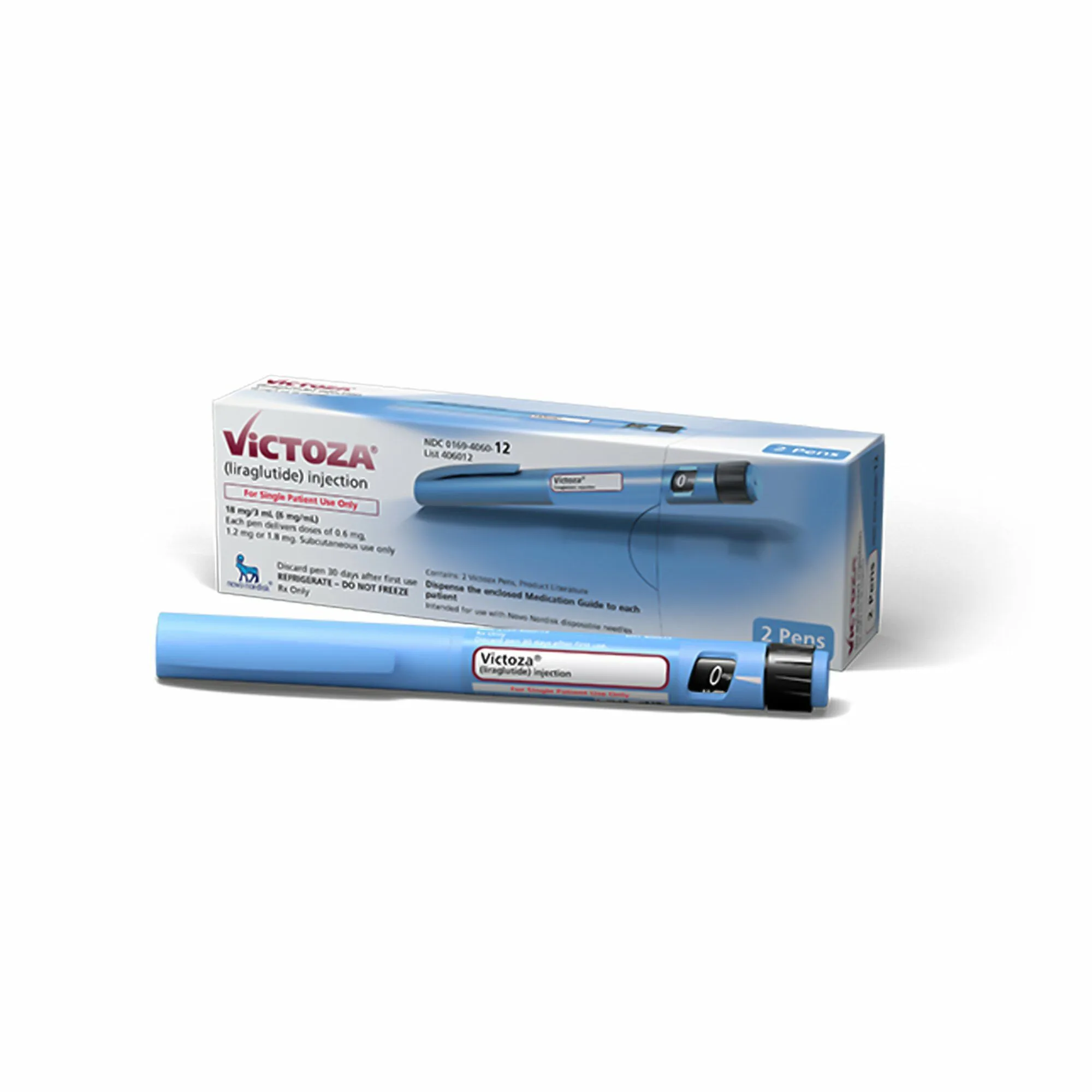
Relieving Gastrointestinal Issues Medicine
Dealing with uncomfortable diarrhea can be a significant setback. Fortunately, many options are present to help restore healthy bowel activity. For minor cases, over-the-counter remedies such as loperamide (Brand Name 1) or bismuth subsalicylate (Pepto-Bismol) are often helpful. These work by reducing the speed of bowel motility. However, if your situation are acute, persist for over a few days, or are associated by high temperature, crimson in your feces, or intense belly discomfort, a visit to your healthcare provider is essential. They may offer prescription medications or undertake additional diagnosis to identify the underlying cause and provide the right treatment.
Dealing with Gastrointestinal Upset
Preventing loose bowel movements often involves careful food choices; think about easily absorbed options and steer clear of greasy or spicy items. Above all, staying adequately hydrated is essential – aim for thin broths, oral rehydration solutions, and small sips of fluids. To aid healing, let your system to recuperate, and slowly bring back solid foods when you feel lessen. In some cases, professional attention may be needed.
Approach to Handling Long-lasting and Immediate Gastrointestinal Discomfort
Differentiating short diarrhea from its persistent counterpart is crucial for appropriate evaluation and subsequent treatment. Acute diarrhea, typically lasting less than two weeks, often indicates an infectious cause, such as parasites, and generally managed with fluid replacement and supportive care. In contrast, chronic diarrhea, defined as surpassing four weeks, requires a more thorough workup to exclude underlying health issues, including colitis, digestive difficulties, or some drugs. Diagnostic procedures might include stool studies, bloodwork, and in some cases, colonoscopies. Management strategies for chronic diarrhea are highly on the identified cause and may include therapies targeting the root problem, dietary adjustments, and gut flora supplements to rebalance digestive function.